What Changed
Price is not the only objection: Overcoming uncertainty when selling elective dental procedures
Why It Matters
Revenue Optimization : Shifting your consultation focus from "financing options" to "outcome certainty" (via 3D simulations and trial-wear) can bridge the 20% gap between diagnosis and acceptance, potentially adding $150k–$300k in annual production for a standard GP practice without increasing marketing spend.
Where Demand, Trust, or Operations Break
Clinical Differentiation : In a 2026 market saturated with DSO competition, the "human layer" – specifically training treatment coordinators in empathy-based scripts (e.g., Feel-Felt-Found) – serves as a high-ROI defensive moat against lower-priced, high-volume competitors.
What the Operator Should Do Next
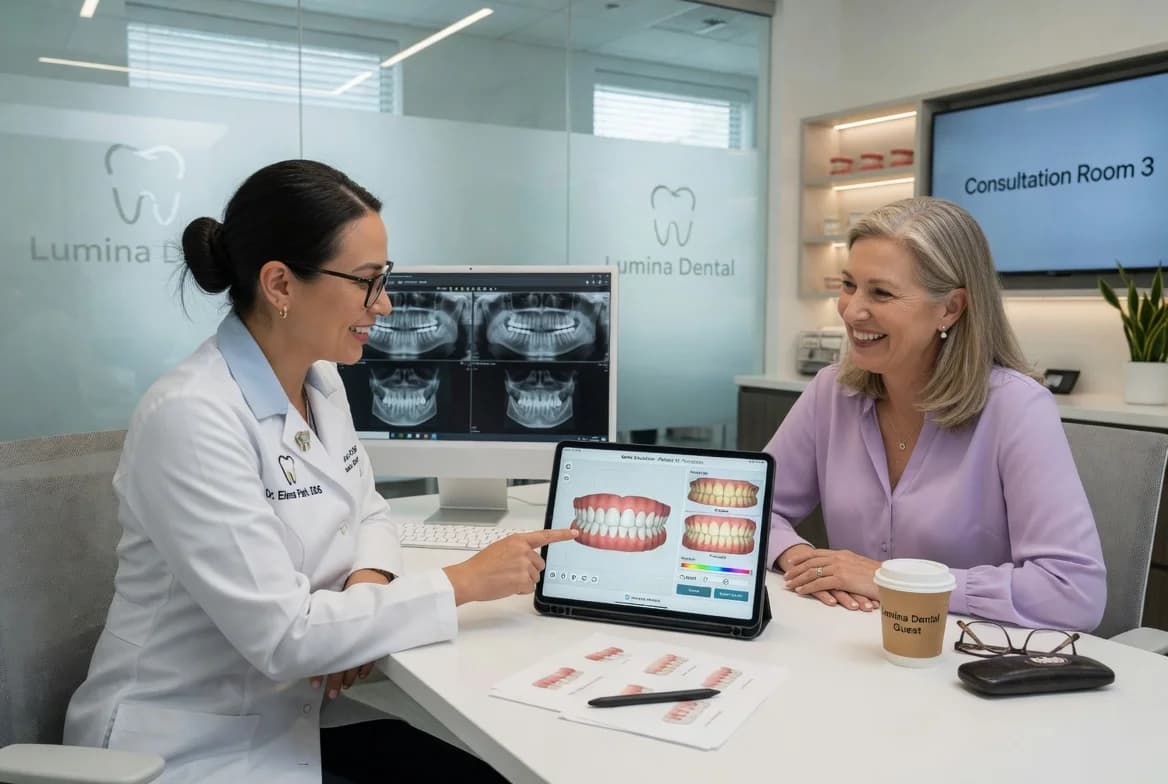
Technology as a Sales Tool : Investing in chairside 3D simulation is no longer a clinical luxury but a conversion necessity; data indicates that visual "future-self" previews are the single most effective tool for neutralizing the "will it look fake?" objection.
Field Notes
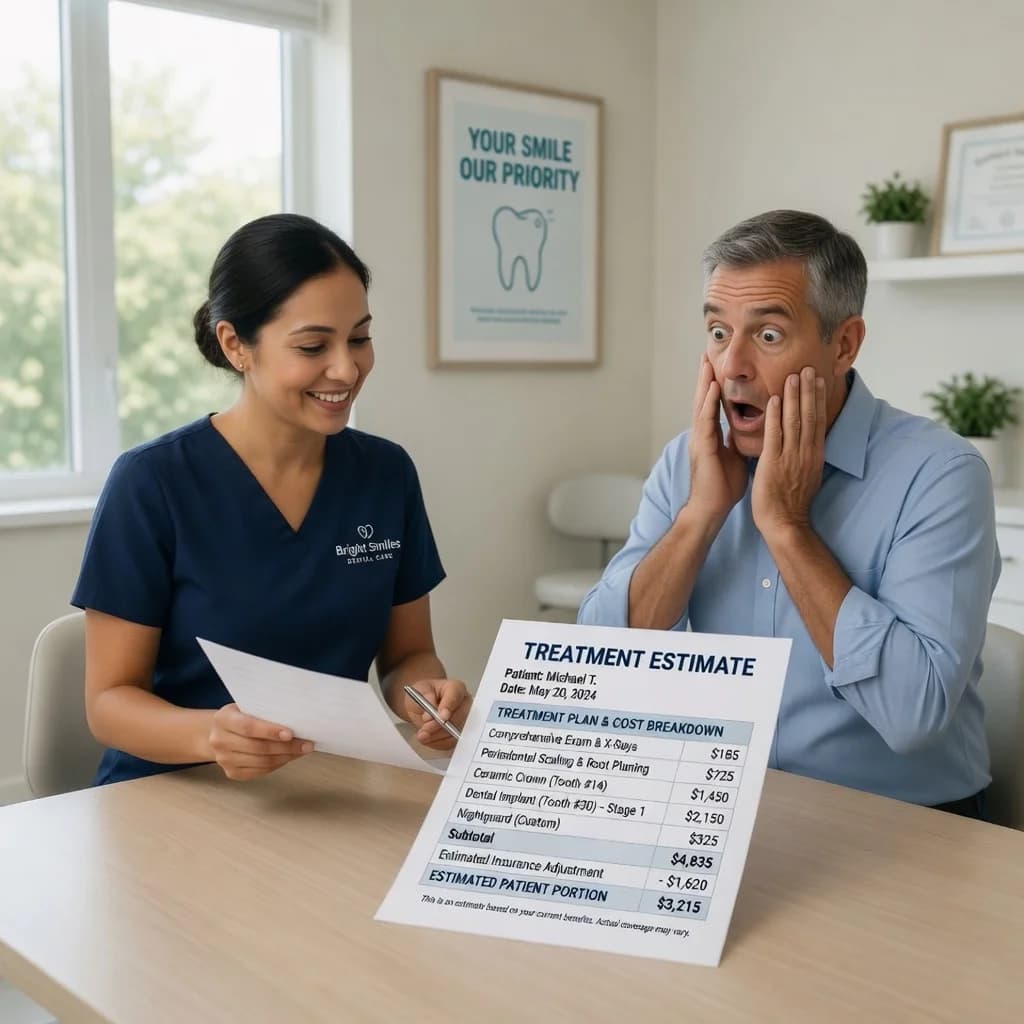
High-level analysis reveals that psychological uncertainty – regarding pain, aesthetics, and recovery – is a more significant barrier to elective dental case acceptance than price alone, with average acceptance rates for high-value procedures stalling between 35% and 55%.
- Revenue Optimization : Shifting your consultation focus from "financing options" to "outcome certainty" (via 3D simulations and trial-wear) can bridge the 20% gap between diagnosis and acceptance, potentially adding $150k–$300k in annual production for a standard GP practice without increasing marketing spend.
- Clinical Differentiation : In a 2026 market saturated with DSO competition, the "human layer" – specifically training treatment coordinators in empathy-based scripts (e.g., Feel-Felt-Found) – serves as a high-ROI defensive moat against lower-priced, high-volume competitors.
- Technology as a Sales Tool : Investing in chairside 3D simulation is no longer a clinical luxury but a conversion necessity; data indicates that visual "future-self" previews are the single most effective tool for neutralizing the "will it look fake?" objection.